
Outdoor Solar Lights: A Comprehensive Guide
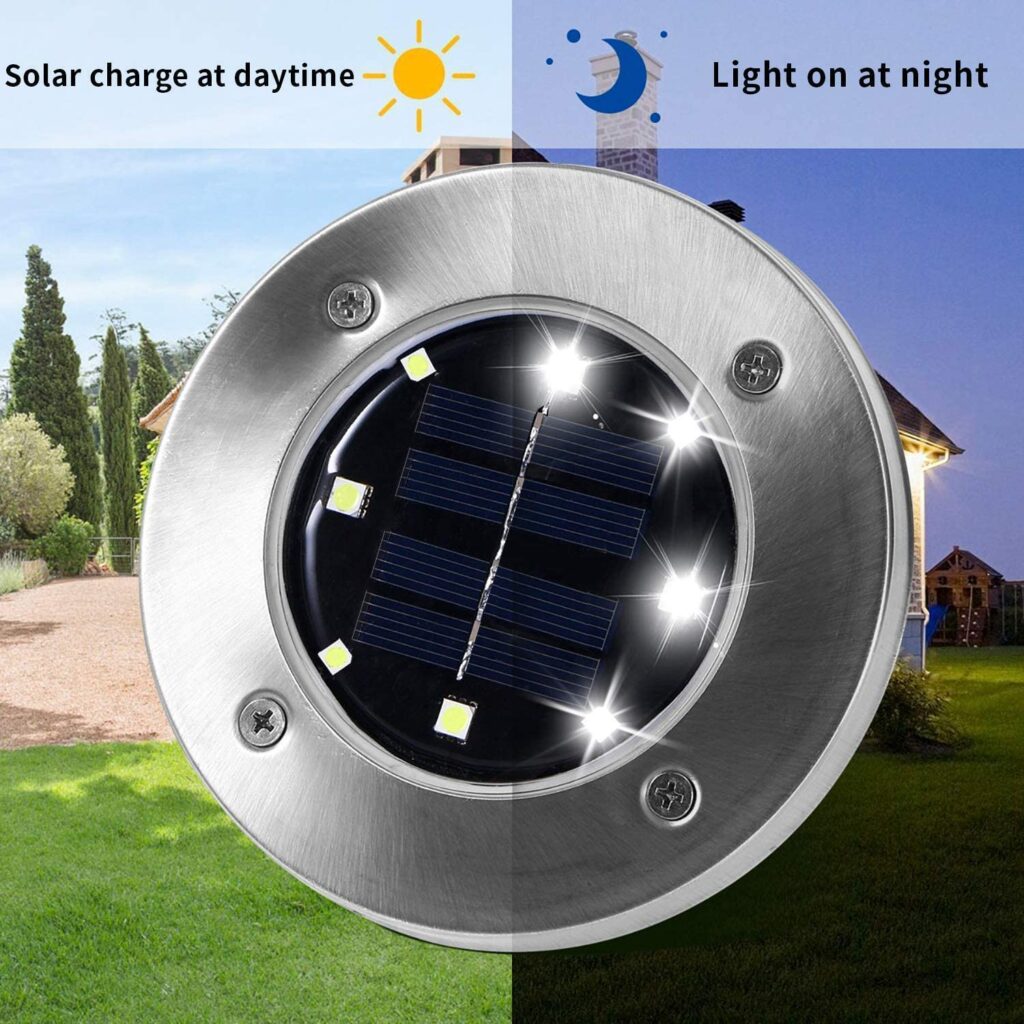
Imagine transforming your garden into a beautifully lit oasis without increasing your electricity bill or harming the environment. Outdoor solar lights are making this dream a reality for many homeowners.

In this post, we’ll explore the benefits, types, installation tips, and maintenance of outdoor solar lights, helping you make an informed decision for your outdoor lighting needs.
Benefits of Outdoor Solar Lights
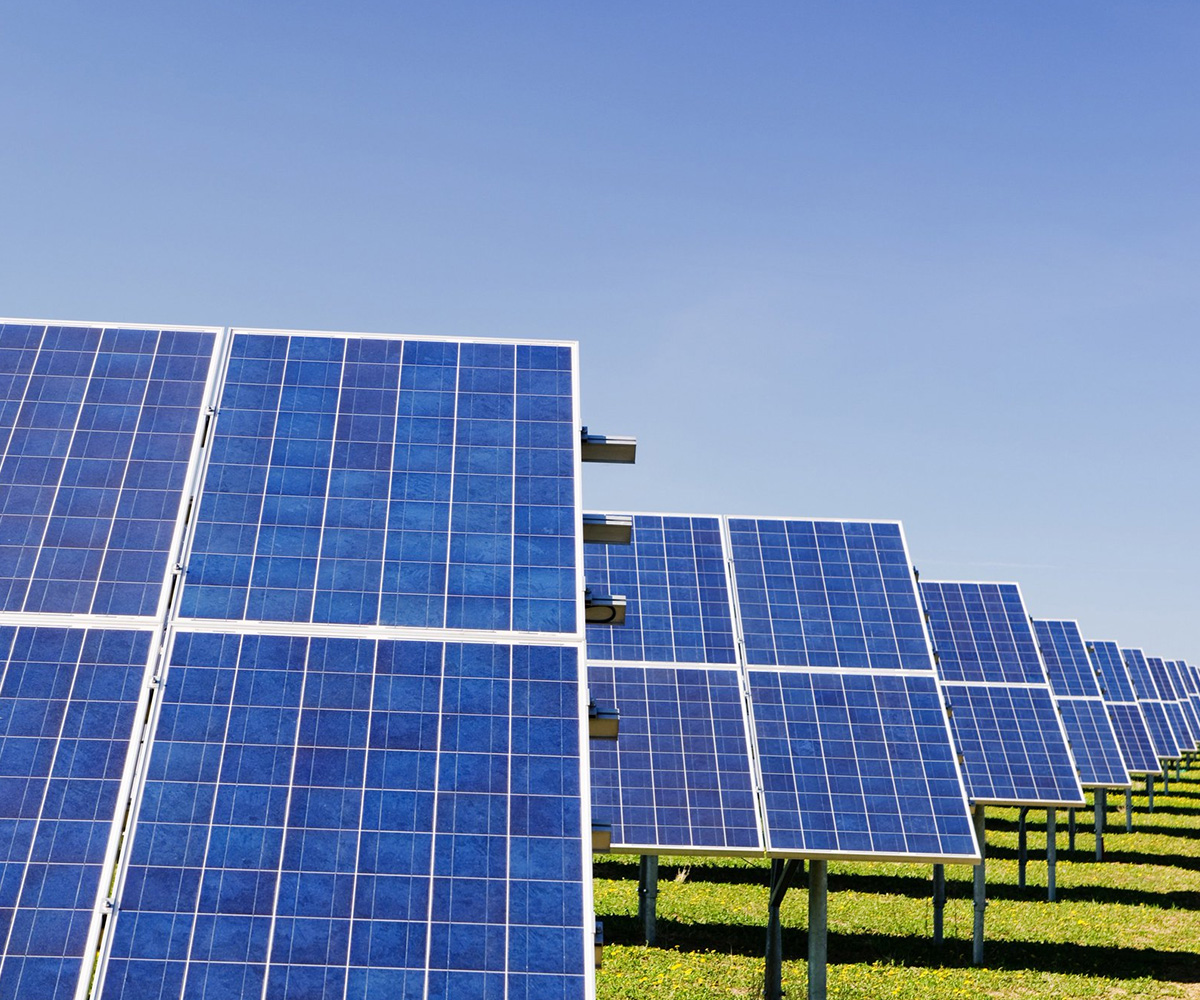
Eco-Friendly: Solar lights harness the power of the sun, a renewable energy source, reducing your carbon footprint and contributing to a greener planet. Unlike traditional lighting, which relies on fossil fuels, solar lights use clean energy, making them an environmentally responsible choice.
Cost-Effective: Once installed, solar lights incur no additional electricity costs, leading to significant savings on your energy bills over time. The initial investment in solar lights can be offset by the long-term savings, making them a financially wise choice for homeowners looking to reduce their utility expenses.
Low Maintenance: Compared to traditional lighting, solar lights require minimal upkeep. With no wiring or electrical connections, they are easy to install and maintain. Most solar lights come with durable, weather-resistant materials that can withstand various environmental conditions, ensuring longevity and reliability.
Safety: By eliminating the need for electrical wiring, solar lights reduce the risk of electrical accidents, making them a safer option for outdoor lighting. This is particularly beneficial in areas with children or pets, where exposed wires could pose a hazard.
Types of Outdoor Solar Lights
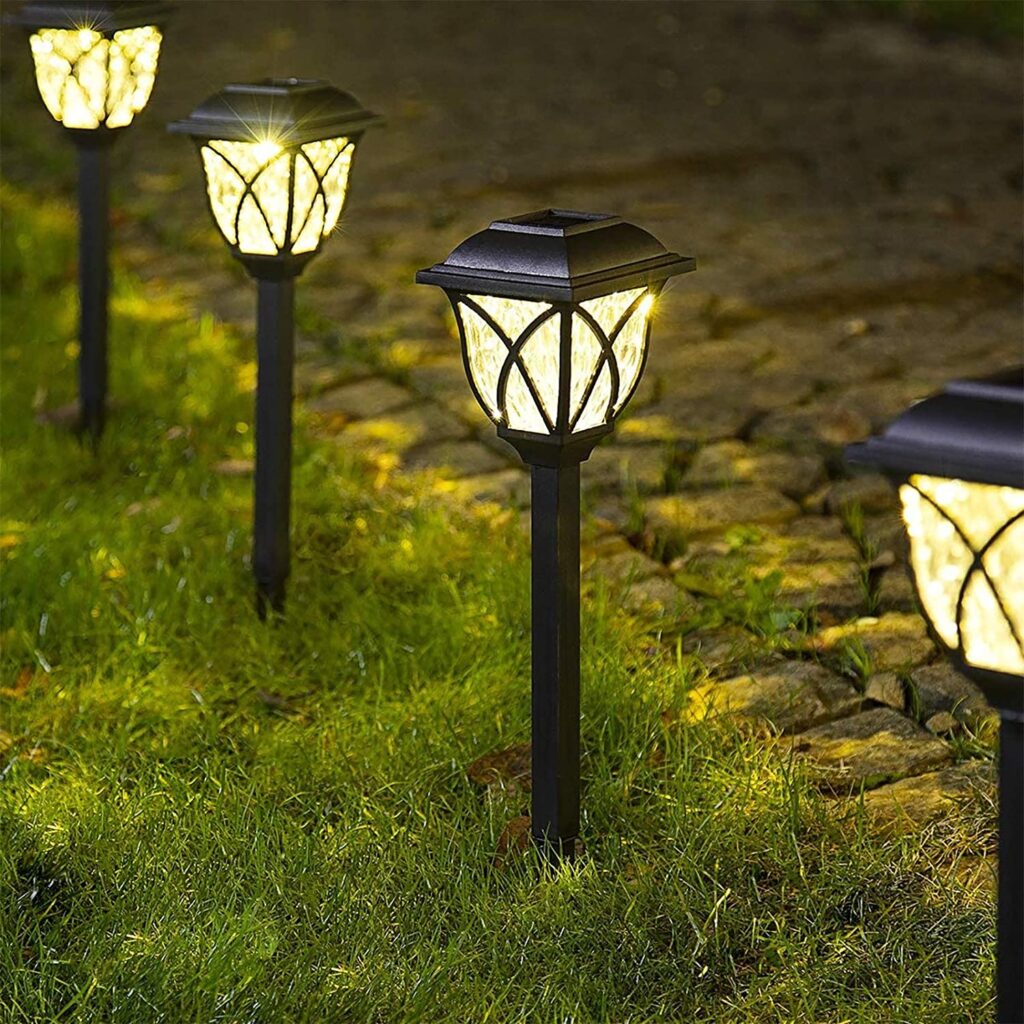
Path Lights
Ideal for illuminating walkways and garden paths, path lights provide a soft, ambient glow that enhances the aesthetic appeal of your outdoor space. They are typically low to the ground and spaced evenly along pathways to ensure consistent lighting.
Spotlights

Used to highlight specific features like trees, statues, or architectural elements, spotlights offer a focused beam of light that draws attention to particular areas. They are often adjustable, allowing you to direct the light precisely where it’s needed.
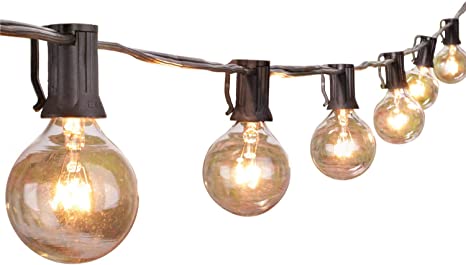
String Lights

Perfect for decorative purposes, especially in patios and gardens, string lights add a whimsical touch to any outdoor setting. They can be draped over trees, fences, or pergolas to create a festive atmosphere for gatherings and events.
Motion Sensor Lights

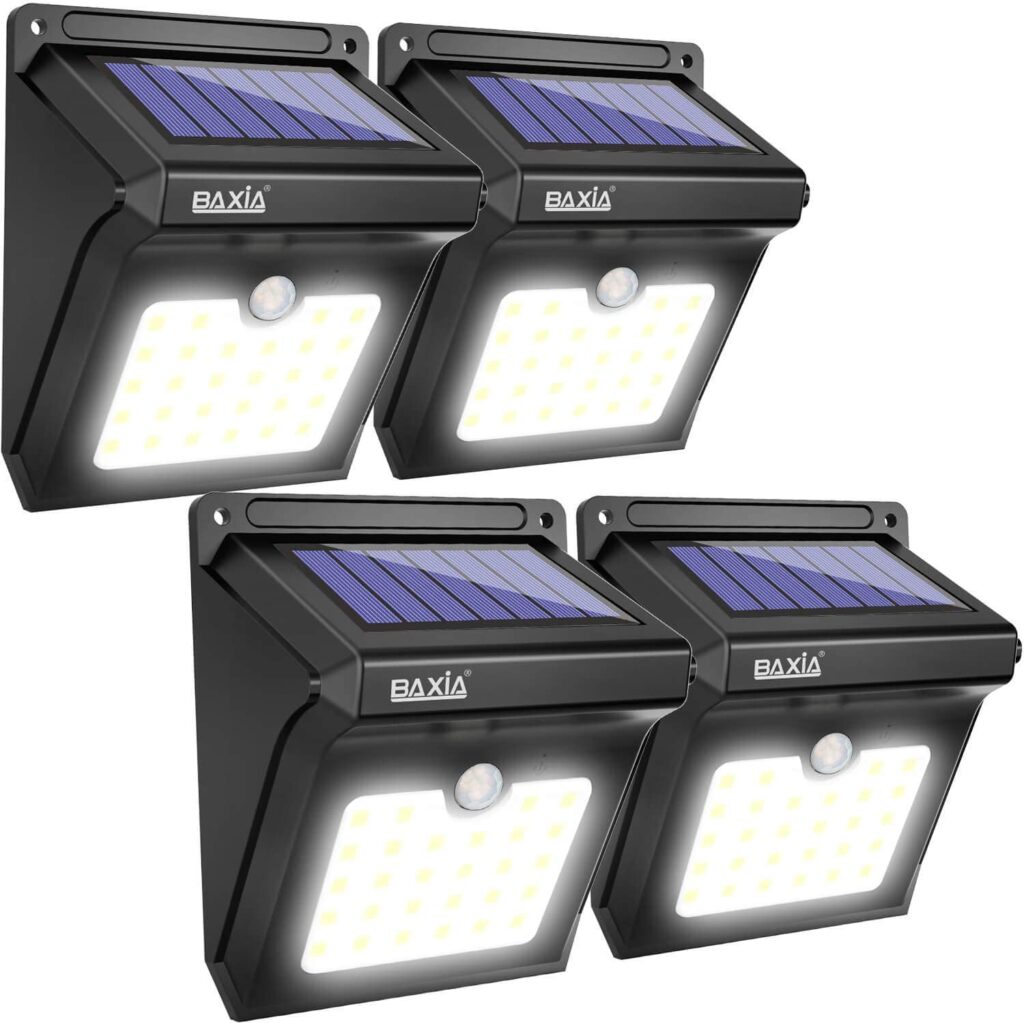
Great for security purposes, motion sensor lights activate when movement is detected, providing an added layer of safety and deterrence against intruders. These lights are particularly useful near entryways, garages, and other vulnerable areas.

Suitable for lighting up entrances and walls, wall-mounted lights offer both functional and decorative benefits. They can enhance the curb appeal of your home while providing necessary illumination for safety and convenience.
How to Choose the Right Solar Lights?
Brightness: Look for lumens rating to determine the brightness. Higher lumens indicate brighter light, which is essential for areas requiring more illumination, such as security lights or spotlights. For ambient lighting, lower lumens may suffice.
Battery Life: Check how long the lights can stay on after a full charge. Longer battery life ensures that your lights remain functional throughout the night, even during shorter winter days when sunlight is limited.
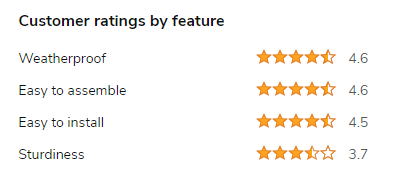
Durability: Ensure the lights are weather-resistant, especially if you live in an area with harsh weather conditions. Look for lights with high-quality materials and robust construction to withstand rain, snow, and extreme temperatures.
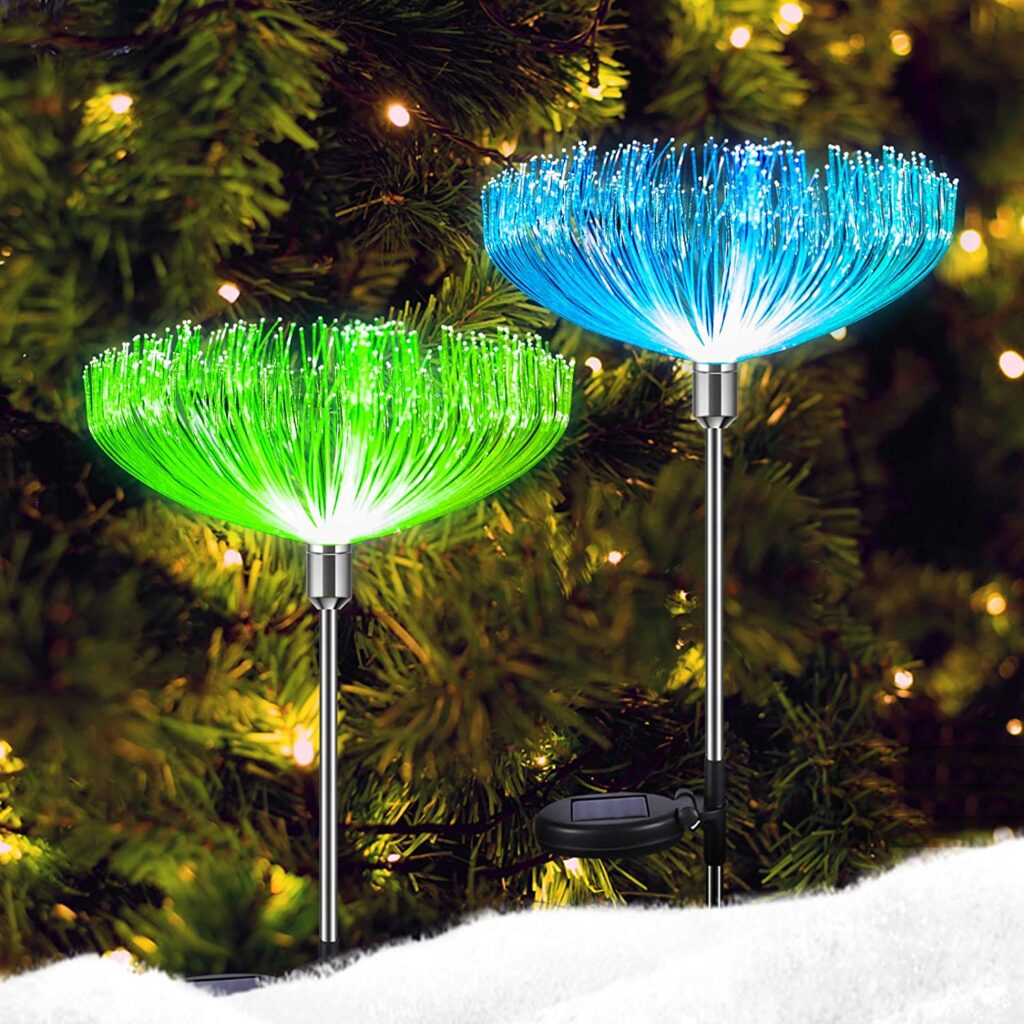
Design: Choose lights that complement your outdoor decor. Solar lights come in various styles, from modern and sleek to rustic and vintage, allowing you to find options that match your aesthetic preferences.
Installation Tips
Location: Place the lights where they can get maximum sunlight during the day. Avoid shaded areas or spots obstructed by trees, buildings, or other structures that could block sunlight and reduce the efficiency of the solar panels.
Avoid Obstructions: Ensure there are no obstacles blocking the solar panels. Clean the panels regularly to remove dust, dirt, and debris that could hinder their ability to absorb sunlight effectively.
Spacing: Don’t place lights too close to each other to avoid overlapping light. Proper spacing ensures even distribution of light and prevents areas from being too bright or too dim.
Charging: Charge the lights fully before the first use. This initial charge helps to condition the batteries and ensures optimal performance from the start. Follow the manufacturer’s instructions for charging times and procedures.
Maintenance Tips
Regular Cleaning: Clean the solar panels regularly to remove dust and debris. Dirty panels can significantly reduce the efficiency of the lights, so it’s important to keep them clean for optimal performance.
Battery Replacement: Replace the batteries if the lights start to dim. Over time, rechargeable batteries can lose their capacity, so replacing them periodically can help maintain the brightness and longevity of your solar lights.
Winter Storage: Store the lights indoors during winter to prolong their lifespan. Extreme cold temperatures can affect the performance of solar lights, so it’s best to bring them inside during harsh winter months.
DIY Solar Light Projects
Custom Path Lights: Create unique path lights using mason jars and solar lids. This DIY project is simple and cost-effective, allowing you to customize the look of your path lights to match your outdoor decor.
Decorative Lanterns: Use old lanterns and fit them with solar lights for a vintage look. This project repurposes old items and gives them new life, adding a charming and nostalgic touch to your garden or patio.
Fairy Light Jars: Fill jars with solar-powered fairy lights for a magical garden effect. These enchanting lights can be placed around your garden to create a whimsical and inviting atmosphere, perfect for evening gatherings and parties.
Outdoor solar lights offer numerous benefits, including eco-friendliness, cost-effectiveness, low maintenance, and safety. With various types available, such as path lights, spotlights, string lights, motion sensor lights, and wall-mounted lights, you can find the perfect lighting solution for your outdoor space.
Consider incorporating outdoor solar lights into your garden or patio to enhance its beauty and functionality. Explore different styles and designs to find the perfect match for your home, and enjoy the benefits of sustainable and efficient lighting.
What are some common misconceptions about solar lights?
1. Solar Lights Only Work in Sunny Locations
Myth: Solar lights are only effective in sunny, warm climates.
Fact: Solar lights can work efficiently in various weather conditions, including cloudy and rainy days.
They are designed to capture sunlight even in less-than-ideal conditions. The key is to ensure the solar panels are appropriately sized for the location and expected sunlight.
2. Solar Lights Are Not Bright Enough
Myth: Solar lights do not provide sufficient illumination for practical use.
Fact: Modern solar lights come in a range of brightness levels, from soft ambient lighting to powerful spotlights.
The brightness of a solar light is measured in lumens, and many high-quality solar lights can provide ample illumination for pathways, gardens, and security purposes.
3. Solar Lights Are Unreliable
Myth: Solar lights are not dependable and often fail.
Fact: When properly installed and maintained, solar lights are highly reliable.
Issues typically arise from incorrect sizing of the solar panels or batteries.
Ensuring the system is correctly matched to the location and usage needs can prevent most reliability problems.
4. Solar Lights Are Too Expensive
Myth: Solar lights are prohibitively expensive.
Fact: While the initial cost of solar lights can be higher than traditional lights, they save money in the long run by eliminating electricity costs.
Additionally, prices for solar technology have decreased significantly, making them more affordable than ever
5. Solar Lights Require Constant Maintenance
Myth: Solar lights need frequent maintenance and are difficult to care for.
Fact: Solar lights are generally low-maintenance.
Regular cleaning of the solar panels and occasional battery replacements are usually all that’s needed to keep them functioning well.
They are designed to withstand various weather conditions, reducing the need for frequent upkeep.
6. Solar Lights Don’t Work in Winter
Myth: Solar lights are ineffective during the winter months.
Fact: Solar lights can work in winter, though their performance may be slightly reduced due to shorter daylight hours and potential snow cover.
Ensuring the panels are kept clear of snow and positioned to maximize sunlight exposure can help maintain their efficiency.
7. Solar Lights Are Not Durable
Myth: Solar lights are fragile and easily damaged.
Fact: High-quality solar lights are built to be durable and weather-resistant.
They are designed to withstand rain, snow, and extreme temperatures, making them suitable for year-round outdoor use.